Ryan — Owner, Turf St George
Southern Utah's soil is unlike anything contractors from out of the area have dealt with. Caliche hardpan, Navajo red sand, desert-alkaline water chemistry, and flash flood drainage — Ryan has worked through every ground condition Washington County throws at an installer. Here's what 15 years of local experience has taught him.
QHow does artificial turf installation handle caliche soil in Southern Utah?
Caliche is one of the most common installation challenges in our area, and every experienced turf installer in Southern Utah has a system for dealing with it. How we handle it depends on depth, extent, and hardness:
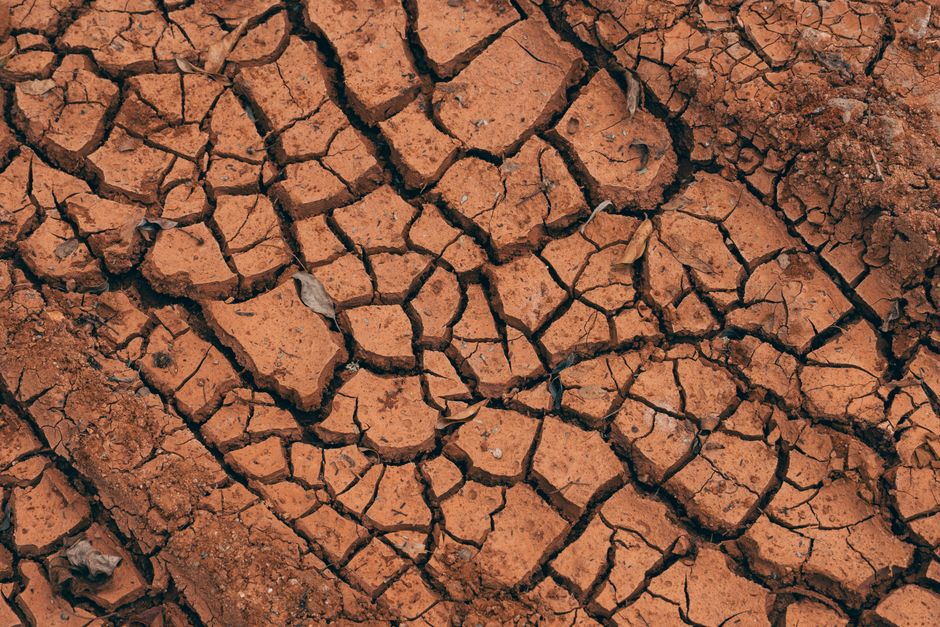
Shallow caliche (under 6 inches): We break through the caliche layer during base excavation. Counter-intuitively, punching through a shallow caliche layer often improves drainage for the finished installation — the soil below is typically more permeable than the hardpan itself, and creating drainage channels through the caliche allows water to exit the base system effectively.
Deep or continuous caliche: When caliche runs deep or across an extensive area, attempting to break through all of it isn't economically practical. In this case, we design the base system to manage drainage above the caliche layer — sloping the base aggregate to direct water laterally toward designated drainage channels at the perimeter rather than relying on vertical drainage through the caliche.
Every site evaluation includes an assessment of caliche depth and extent. We never assume — we probe and test, then design the base system accordingly. Contractors who don't account for caliche create drainage problems that only appear during heavy rain events.
QWill red sand and Navajo dust make my artificial turf look dirty?
The vivid red-orange Navajo dust that settles on everything in Washington County is an aesthetic reality of life in Southern Utah — and one of the most common concerns I hear from prospective turf customers who've watched it coat their cars, patio furniture, and windows.
Here's the good news: artificial turf actually handles desert dust better than natural grass does. Natural grass catches red dust between blades and at the soil surface, where it packs down and develops a persistent reddish tint over the season. Getting it out requires serious effort — power washing, dethatching, and often still leaves a reddish hue to the grass color.
Premium polyethylene turf fiber doesn't absorb mineral dust the way organic matter does. Dust settles on the surface and between blades but doesn't bond chemically. A garden hose rinse with moderate water pressure is typically sufficient to flush the dust through the permeable backing — the same process that happens naturally during every rain event. Customers in the dustiest areas of Washington County (particularly near disturbed soil zones from ongoing construction) typically rinse their turf monthly, which takes 3–5 minutes and keeps it looking consistently green.
An added benefit: Southern Utah's monsoon season rains — as infrequent and intense as they are — provide excellent natural cleaning. After a good monsoon cell passes, turf typically looks noticeably fresher and brighter from the natural flush.
QHow does artificial turf drainage handle Southern Utah's hard ground and flash flood events?
Flash flood drainage is a serious design consideration in our region, and it's one where local experience makes a significant difference. Washington County's desert soils have unusual drainage behavior: during long dry spells, the top layer of soil becomes hydrophobic — water actually beads and sheets off rather than absorbing, at least for the first few minutes of rainfall. Combined with the intensity of monsoon cells and the presence of caliche hardpan in many properties, this creates drainage engineering requirements that don't exist in most of the country.
Our turf drainage systems are engineered for these specific conditions:
- High-capacity backing: We specify turf backing with drainage rates of 30–45 inches per hour — far exceeding any realistic monsoon rainfall rate.
- Aggregate base selection: Base aggregates are selected for maintained permeability under compaction, with gradations appropriate for our soil types.
- Grade engineering: Every installation is graded to direct surface water toward appropriate outlets — never toward structures, neighbors, or areas without drainage capacity.
- Caliche accommodation: When caliche limits vertical drainage, we create horizontal drainage channels in the base system that redirect water to perimeter outlets.
- Flash flood path respect: For properties in or adjacent to natural drainage channels — common in canyon-adjacent communities like Ivins and portions of Hurricane — we design turf installations that work with natural drainage paths rather than blocking them.
Unusual Soil or Drainage Concerns? Let's Talk.
Southern Utah's ground conditions are unique. Call Ryan for an honest site assessment — we'll tell you exactly what your property needs before any money changes hands.
Call Ryan: (435) 654-0500QWill artificial turf create habitat for scorpions, spiders, or other desert insects?
This is a genuinely Southern Utah question — and I respect that it's asked, because scorpions are a real part of life here, particularly in communities near the natural desert like Ivins, Santa Clara, and the canyon edges of St. George. Here's an honest assessment:
Artificial turf does not eliminate scorpions from your property. They exist in the surrounding desert ecosystem and will cross any yard surface regardless of material. What turf does change is the habitat quality for scorpions within your yard space:
- Scorpions shelter under organic debris, damp soil, loose bark, and rocks — conditions that a maintained turf yard eliminates from the immediate yard surface.
- The insects that scorpions feed on are drawn to decomposing organic matter, which turf eliminates from the yard surface environment.
- A quality weed barrier beneath the turf installation removes the soil entry points that scorpions use to burrow under yard surface materials.
The practical result for most homeowners: scorpion activity on the turf surface itself tends to decline compared to natural grass or desert ground cover, because the habitat quality is lower. However, you'll still want to maintain perimeter awareness, particularly along walls, under stored items, and at the edges where turf meets natural desert. This is simply desert living in Washington County — turf helps at the margins but isn't a silver bullet.
QDoes artificial turf require weed control in Southern Utah's desert environment?
A properly installed turf system dramatically reduces weeds — but claiming complete elimination would be an overstatement in Southern Utah's aggressive weed environment. Washington County is home to some of the most persistent and opportunistic native plants in the West: Puncturevine (Goathead), Russian Thistle (Tumbleweed), and Halogeton can colonize remarkably small amounts of organic material with minimal moisture.
Our installation practices minimize the weed problem significantly:
- Quality weed barrier fabric beneath the base material blocks soil-based weed emergence from below.
- Clean, weed-seed-free base aggregate minimizes germination substrate within the base layer itself.
- Tight perimeter edging blocks lateral root and runner intrusion from adjacent areas.
- Infill selection that doesn't support germination — some organic infills can provide enough substrate for aggressive seeds to establish.
Even with these measures, occasional Goathead or Tumbleweed seedlings may appear at turf edges, particularly adjacent to natural desert or vacant land. These can be spot-treated with a targeted herbicide or hand-pulled quickly while small — a task of minutes per month rather than the sustained battle that Goatheads represent in natural grass. For the vast majority of our customers, post-installation weed management is negligible compared to what they dealt with in natural grass.
QHow does artificial turf hold up to Southern Utah's alkaline water and mineral-rich soil?
Washington County has noticeably hard water — anyone who's seen the calcium scale buildup on shower fixtures, car windshields after sprinkler overspray, or pool tile in St. George knows the mineral intensity of our local water supply. How does this affect artificial turf?
The turf fibers themselves are unaffected. Premium polyethylene is chemically inert — it doesn't react with alkaline water chemistry, mineral deposits, or the soil chemistry of Southern Utah's desert environment. No absorption, no reactivity, no degradation from hard water exposure. This is one area where synthetic material genuinely outperforms natural alternatives.
Where water chemistry can matter is in infill selection and base performance over time. Some infill materials can develop mineral crusting when repeatedly exposed to hard irrigation water, which can reduce permeability and affect turf feel. We select infills appropriate for Washington County's specific water chemistry. Base aggregate drainage channels can also accumulate mineral deposits over years — we design base systems with adequate drainage capacity that accounts for some long-term reduction in permeability without compromising drainage performance.
The practical takeaway: Southern Utah's hard water is a known variable in our installation designs, not a surprise. We've installed hundreds of systems in this environment and accounted for its long-term effects on every component of the installation.